Staying Steady Through Winter: Bone Health and Healthy Ageing
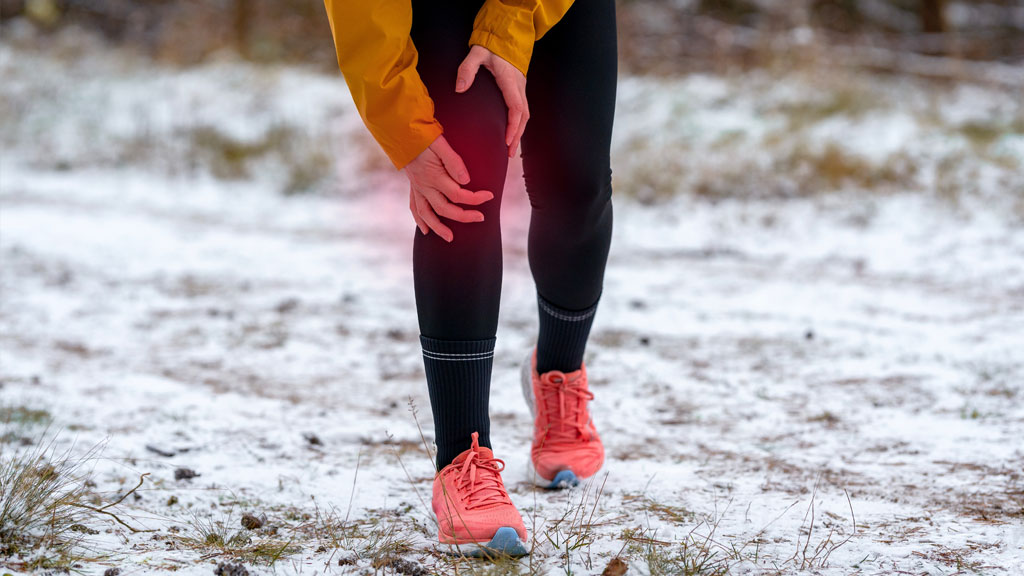
As Britain battles the bitter cold this month, we often notice our poor bones take the brunt. The shorter days and lower temperatures may deter many from venturing outdoors or partaking in their usual activities. Often, the cold weather can increase joint stiffness, joint pain and achy muscles. In addition, the wet and icy conditions increase the risk of slips and falls. For many, these seasonal hazards are a nuisance, however for some people, even a minor fall can result in a life changing fracture.
A decline in bone health, such as osteopenia and osteoporosis, where the bones become weak and hollow, are often described as “silent” because they do not cause any issues until an innocent fall results in a fracture.
Winter therefore provides an important opportunity to pause and ask: how healthy are my bones, and what can I do now to protect them as I age?
At The Portobello Clinic, we focus on prevention, early identification, and personalised care—helping patients maintain strength, mobility, and independence at every stage of life.
Understanding Osteoporosis and Bone Ageing
Bone is a living tissue that constantly renews itself. Peak bone mass is usually reached in early adulthood, after which bone breakdown gradually exceeds bone formation. This process accelerates with age and during hormonal changes, particularly around menopause for women, when declining oestrogen levels increase bone loss. However, men are also affected by a decline in bone health, particularly with advancing age or underlying medical conditions.
Osteoporosis develops when bones become less dense and more fragile, increasing the risk of fractures—most commonly affecting the hips, spine, and wrists. These fractures can significantly impact mobility, confidence, and quality of life, making prevention essential to healthy ageing.
Who Is at Risk?
You may be at increased risk of bone loss if you:
- Have low body weight or history of an eating disorder
- Are peri- or post-menopausal
- Have a family history of osteoporosis or fractures
- Have had fractures from minor falls or knocks or an X-ray which indicates thinning bones (osteopenia)
- Have used long-term steroid medication
- Smoke or drink alcohol excessively
- Have conditions affecting hormone balance including thyroid imbalance
- Have a bowel condition which prohibits nutrient absorption such as inflammatory bowel disease or coeliac disease
- Maintain a low calcium diet, including vegans
Preventing Bone Loss: A Proactive, Patient-Centred Approach
1. Nutrition to Support Strong Bones
Calcium is essential for bone strength, with most adults requiring 700–1,200 mg daily, depending on age and health status.
Dairy products, fortified plant milks, leafy greens, nuts, seeds, and tofu are good sources. The Calcium Calculator run by the Osteoporosis Foundation, is a useful tool to assess if you have sufficient dietary calcium intake.
Vitamin D plays a vital role in calcium absorption and muscle function. In the UK, reduced sunlight exposure—especially during autumn and winter—means many adults benefit from supplementation of 10 micrograms (400 IU) daily, or higher doses if deficiency is identified.
Adequate protein intake, along with key micronutrients such as magnesium and vitamin K2 help maintain bone health and healthy ageing.
2. Movement and Strength for Healthy Ageing
Bones become stronger when they are used. Weight-bearing and resistance-based activities stimulate bone formation and improve muscle strength and balance.
Effective movement includes:
- Walking, stair climbing, or dancing
- Strength or resistance training
- Balance, posture, and core stability exercises
3. Hormonal and Medical Considerations
Hormonal health plays a significant role in bone ageing. For some patients, hormone replacement therapy (HRT) may be considered following careful individual assessment. Other medical contributors—such as thyroid or parathyroid disorders—should also be identified and managed appropriately.
4. Screening and Early Detection
Because osteoporosis often has no early symptoms, bone health screening is a key component of preventive care. This may include:
- Review of medical and family history
- Blood tests (including vitamin D, calcium markers and hormone levels)
- Referral for DEXA bone density scans, if indicated
DEXA scans (Dual-Energy X-ray Absorptiometry) are specialised scans which use a very low dose of X-rays to measure how dense and strong your bones are. The scan usually measures bones at the hip and lower spine which are most at risk of osteoporotic fractures. If you have any risk factors, you may be referred for a DEXA scan to rule out osteoporosis.
Reducing Falls Risk
Falls are a leading cause of fractures in later life. Simple strategies—such as improving balance, addressing vision concerns, reviewing footwear, and ensuring home safety—can significantly reduce risk, particularly during the winter months.
Our Healthy Ageing Clinic Approach
At The Portobello Clinic, we provide a personalised, preventive approach to bone health and healthy ageing.
Our aim is not simply to treat disease, but to support long-term strength, confidence, and independence through:
- Medical assessment and screening
- Lifestyle and nutritional guidance
- Individualised prevention and treatment plans.
We offer a holistic assessment and personalised treatment plan. Our team of experts can help optimise your mobility, nutrition and overall wellbeing. We have a specialised team of GPs, Podiatrist, Sport and Exercise Physician and Physiotherapists, and Nutritionist to help support your bone health.
When Should You Seek Advice?
You may benefit from a bone health review if you:
- Experience persistent bone, joint, or back pain
- Have had a recent fall or feel less steady
- Are approaching or have gone through menopause
- Have risk factors for osteoporosis
- Want reassurance and a proactive approach to healthy ageing
Keeping you healthy and moving
If you are concerned about bone health, falls, or maintaining strength as you age—particularly during the colder months—we encourage you to book a consultation.
Early assessment provides clarity, reassurance, and the opportunity to take action before problems arise.
Strong bones are central to healthy ageing. Looking after them today helps protect your independence and wellbeing for the future.